

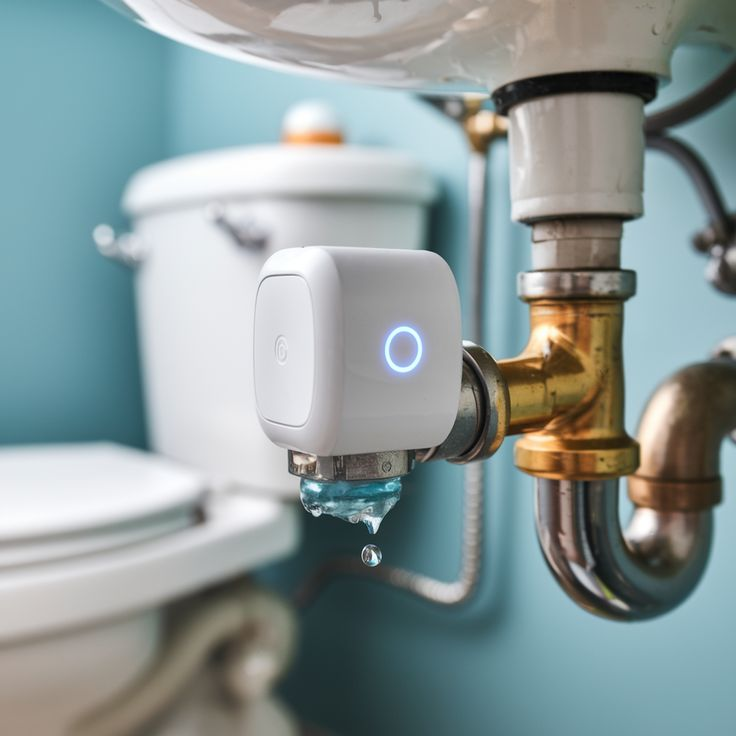
Water damage is one of the most expensive problems a homeowner can face, often beginning with something as small as a hidden leak under a sink or behind an appliance. Left undetected, a slow drip can quickly escalate into thousands of dollars in repairs, ruined belongings, and even mold growth. Smart home technology now offers a powerful line of defense: smart water leak detectors. These compact devices provide early warnings, helping you act before a minor leak becomes a disaster.
Why Smart Leak Detection Matters
Industry data shows that water damage consistently ranks among the top insurance claims for Canadian homeowners. A burst pipe can release hundreds of litres of water in just a few hours, damaging flooring, drywall, furniture, and electrical systems.
Installing smart water leak detectors can help you:
- Catch leaks early: Smartphone alerts provide instant warnings, whether you’re at home or away.
- Reduce repair costs: Quick intervention prevents structural damage and mold growth.
- Increase peace of mind: With 24/7 monitoring, you no longer need to worry about leaks while travelling.
- Potentially lower insurance premiums: Many insurers now offer discounts for homes equipped with leak detection systems, particularly those with automatic shutoff features.
How Smart Water Leak Detectors Work
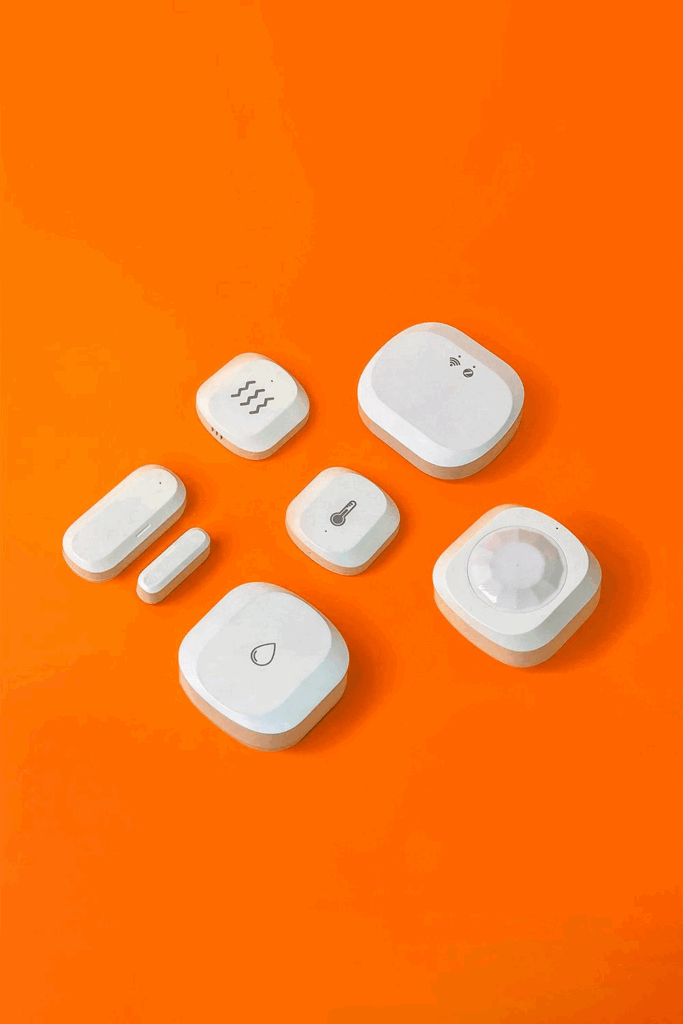
A smart leak detector is typically a small sensor placed on the floor or near plumbing fixtures. When it detects moisture, it triggers an audible alarm and sends a notification to your phone. Many 2025 models include temperature and humidity sensors, alerting you to freezing conditions before a pipe bursts.
Common placement areas include:
- Under sinks and dishwashers
- Behind toilets and washing machines
- Beside sump pumps and water heaters
- Near basement foundation walls

Comparing Types of Smart Water Leak Detectors
Not all detectors provide the same level of protection. Options range from simple, standalone units to advanced systems with automatic shutoff capabilities.
| Parameter | Standalone Wi-Fi Sensor | Hub-Based System | Pro-Monitored System |
| Alerts | Smartphone notification | Smartphone notification | Smartphone + professional service |
| Automatic Shutoff | No | Sometimes (with add-on valve) | Yes (integrated valve) |
| Ease of Setup | Easy | Moderate | Professional installation |
| Typical Cost | Low | Moderate | High |
For many homeowners, a mix of options works best – affordable sensors for low-risk areas and a monitored or shutoff-enabled system for high-value or high-risk locations.
Choosing the Right Detector for Your Home
When deciding which device to install, consider these factors:
- Connectivity: If you already use a smart home hub, hub-based systems may integrate seamlessly. Otherwise, a Wi-Fi sensor that connects directly to your router is simplest.
- Power source: Battery-powered units allow flexible placement. Look for models with long battery life (12-36 months) and low-battery alerts.
- Audible alarms: In addition to smartphone alerts, built-in sirens are essential for warnings when you’re at home but away from your phone.
- Automatic shutoff: For maximum protection, consider systems with shutoff valves that immediately stop the water flow when a leak is detected. Though more costly, this feature can prevent catastrophic damage.
Common Mistakes to Avoid
Even the best device won’t help if it’s installed or maintained incorrectly. Avoid these errors:
- Improper placement: Sensors must sit on the floor at the lowest point where water would collect. Placing them on a shelf or ledge will delay detection.
- Neglecting to test: Periodically place the sensor on a damp cloth to confirm both the alarm and smartphone notification work.
- Ignoring notifications: Every alert should be investigated promptly, even if it turns out to be minor condensation.
- Overlooking battery life: A detector with a dead battery is ineffective. Replace batteries as soon as you receive a warning.
For more on how smart technology is shaping home safety, see our article on rising trends in smart home technology
Trends in 2025: From Alerts to Automation
The main debate for homeowners today is between simple notification-based detectors and advanced systems with automatic shutoff valves. Affordable Wi-Fi sensors provide excellent early warnings but still require you to act quickly to stop the leak. By contrast, systems with automatic shutoff offer full automation, cutting off the water supply instantly – even if you’re unreachable.
Increasingly, experts recommend a hybrid approach: install low-cost detectors in secondary locations like under bathroom sinks, while placing an automatic shutoff system at the main water line for comprehensive protection. This is partly driven by the fact that insured damage costs from extreme weather events, including flooding and water damage, have risen to record highs in Canada in recent years.
Frequently Asked Questions (FAQ)
1. How can a smart water leak detector actually save me money?
A single burst pipe can cost thousands in repairs and may even trigger an insurance claim that raises your premiums long-term. By catching small leaks early – like a drip under the sink or a slow washing machine hose failure – smart detectors let you act before damage spreads. Some insurers even offer discounts if your system includes an automatic shutoff valve, adding to the savings.
2. Which type of leak detector is best if I travel often or own a second property?
For frequent travelers or snowbirds, a system with automatic shutoff is the gold standard. These devices not only alert you via smartphone but also shut off the water supply instantly, even if you’re unreachable. If you just want basic coverage in a primary residence, Wi-Fi sensors placed under sinks, behind toilets, and near appliances are an affordable and effective option.
3. Where should I place smart leak detectors to get the most protection?
The rule of thumb is to place detectors anywhere water flows or collects. High-priority spots include under kitchen and bathroom sinks, behind toilets, near dishwashers and washing machines, beside water heaters, and along basement foundation walls. Position them directly on the floor at the lowest point, where water would naturally pool first.
Conclusion
Smart water leak detectors are no longer niche gadgets – they are essential tools for protecting your home in 2025. Whether you choose a simple sensor or invest in a full system with automatic shutoff, these devices provide a reliable safeguard against one of the most costly and disruptive forms of household damage.
By catching leaks early, you can prevent expensive repairs, safeguard your belongings, and create a safer living environment.
For more information on preventing household water damage and energy-efficient upgrades, visit Canada.ca.