

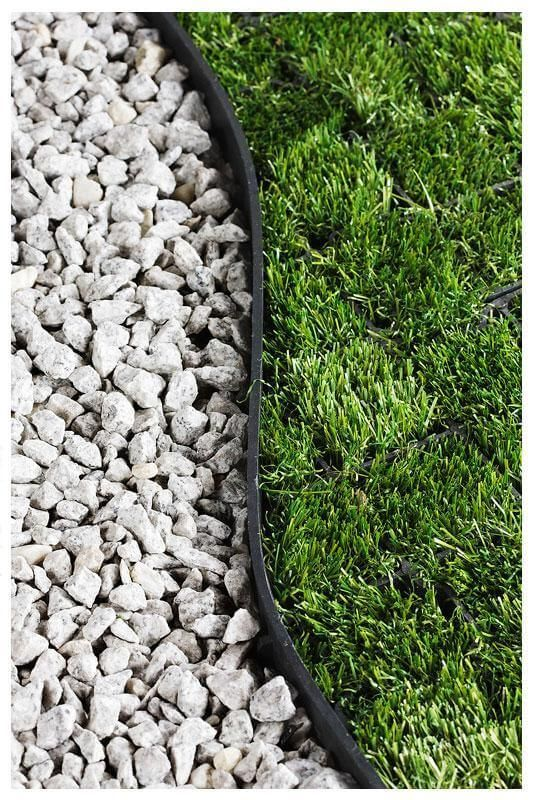
A healthy lawn and garden add beauty and value to any property. Yet standing water, soggy patches, or persistent runoff can quickly turn a yard into a maintenance headache. Poor drainage is more than an inconvenience – it can compromise your home’s foundation, encourage mold, and create conditions for pests. Understanding the latest approaches, installation methods, and solutions for yard drainage in 2025 is an important step toward protecting your investment and ensuring your outdoor spaces remain safe and usable.
Why Yard Drainage Matters
Yard drainage solutions are systems and techniques designed to control, manage, and redirect excess water away from your home and off your property. The goal is to prevent water from pooling on the surface or saturating the soil for extended periods.
Water that lingers on your property after heavy rain or snowmelt can lead to serious consequences:
- Foundation damage: Saturated soil places pressure on foundation walls, potentially causing cracks and leaks.
- Basement flooding: Without proper drainage, water can seep into basements and crawlspaces, leading to costly repairs and mold growth.
- Health concerns: Standing water provides a breeding ground for mosquitoes, which public health agencies, including the Centres for Disease Control and Prevention (CDC), identify as a significant risk factor for disease transmission. Moreover, unmanaged stormwater runoff contributes to pollutants in water bodies, erosion, and flooding risks in urban settings.
- Yard usability: Beyond structural risks, a poorly drained lawn is difficult to maintain and less enjoyable for gardening, recreation, or entertaining. Runoff from impervious surfaces (like driveways, roofs) not only causes ponding but contributes pollutants and overwhelms drainage systems unless proper design practices are used.
Addressing drainage issues protects your property and helps create a safer, healthier outdoor environment.
Common Approaches to Yard Drainage
Modern drainage solutions range from simple landscaping adjustments to engineered systems. Some of the most effective options include:
- Surface grading: Reshaping the yard to create a slope that naturally directs water away from your home’s foundation.
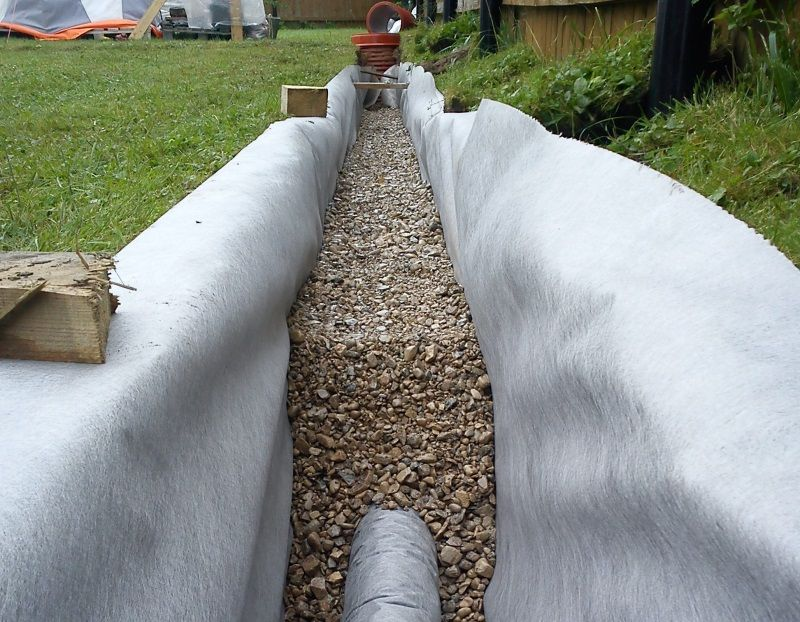
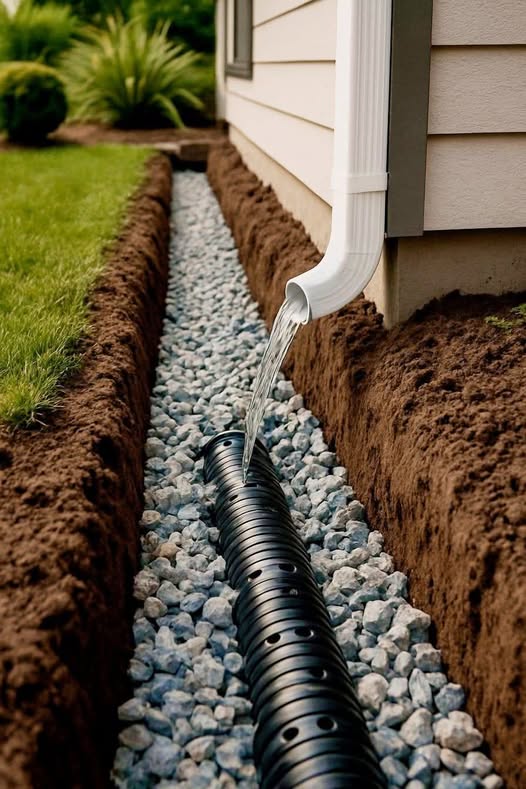
- French drains: A perforated pipe buried in a gravel trench that collects groundwater and channels it to a discharge point.
- Dry wells: Underground pits filled with gravel that capture runoff from downspouts and allow it to percolate slowly back into the soil.
- Rain gardens: Shallow depressions planted with water-tolerant vegetation that absorb and filter stormwater while adding aesthetic appeal.
Each approach serves a different purpose, and in many cases, homeowners use a combination of methods for the best results.
Comparing Popular Drainage Solutions
The right choice depends on the source of water, soil type, and budget.
| Parameter | French Drain | Dry Well | Surface Regrading |
| Best For | Widespread subsurface water | Concentrated runoff (e.g., downspouts) | Minor surface pooling near foundation |
| Installation | Hard (requires trenching) | Medium (requires large pit) | Medium-Hard (requires precision) |
| Maintenance | Low if installed properly | Low | None |
| Visibility | Invisible (underground) | Invisible (underground) | Visible (changes lawn’s slope) |
Understanding how each option works helps homeowners match the solution to the problem, rather than applying a one-size-fits-all fix.
Choosing the Right Solution
Not all drainage problems are the same. To select the most effective system:
- Identify the source: Watch your yard during heavy rainfall. Is water pooling in a low spot? Flowing from downspouts? Saturating the entire lawn? The answer guides the solution.
Evaluate the slope: Yards should slope away from the foundation at 2-3 percent. If not, regrading is often the first and most important step. - Consider soil conditions: Heavy clay retains water, making French drains and rain gardens more effective. Sandy soils drain quickly, where a dry well may be sufficient.
- Think about installation: While some homeowners attempt French drains as DIY projects, regrading and dry wells often require professional equipment and expertise.
Mistakes to Avoid
Improperly designed drainage systems can make problems worse. Common errors include:
- Incorrect slope: A French drain must have at least a 1% grade to ensure water flows.
- Wrong materials: Backfilling with soil instead of gravel or using non-perforated pipes prevents water from draining properly.
- Skipping utility checks: Always contact your local utility locating service before digging to avoid damaging underground lines.
- Redirecting water to neighbours: Ensure your system doesn’t simply push the problem onto adjacent properties, which may create disputes or violate local bylaws.
For broader insights on maintaining property health, see our article on the benefits of routine maintenance inspections
Modern Trends in 2025
Historically, drainage systems focused on removing water as quickly as possible. In 2025, the approach has evolved. More homeowners are adopting green infrastructure – solutions that treat stormwater as a resource rather than waste.
Rain gardens, bioswales, and permeable paving allow water to nourish plants, filter pollutants, and recharge groundwater supplies. Many experts now recommend hybrid solutions, pairing reliable underground systems like French drains with eco-friendly landscaping features. This is especially important because recent studies show that cities in Canada are facing increasingly extreme rainfall events, overwhelming older stormwater systems.
Frequently Asked Questions (FAQ)
1. How can I tell if my yard drainage problem is serious enough to fix?
If you notice water pooling near your foundation after rain, soggy spots that stay wet for days, or signs of basement dampness, it’s time to act. Even small drainage issues can add up over time – causing foundation cracks, mold growth, and pest problems. A quick test is to observe your yard during a storm: if water isn’t draining within 24-48 hours, you likely need a solution.
2. Which yard drainage solution is best for my property?
It depends on the source of the water. Pooling near your home usually means you need regrading or downspout extensions. A soggy lawn that never dries out often calls for a French drain. Concentrated runoff from roof gutters may be better managed with a dry well or rain garden. Matching the fix to the problem ensures you don’t spend money on the wrong solution.
3. What mistakes should I avoid when installing a drainage system?
The biggest pitfalls include installing drains without the proper slope, using the wrong materials (like soil instead of gravel), or redirecting water onto a neighbour’s property – something that can create legal headaches. Skipping a utility line check before digging is another common and dangerous mistake. Proper planning and installation save you from expensive do-overs.
4. Are there eco-friendly drainage options that also improve my landscape?
Yes – 2025 has seen a surge in “green” drainage solutions. Rain gardens, bioswales, and permeable paving not only manage excess water but also add beauty, filter pollutants, and help recharge groundwater. Many homeowners now combine traditional systems like French drains with eco-friendly landscaping for both performance and curb appeal.
Conclusion
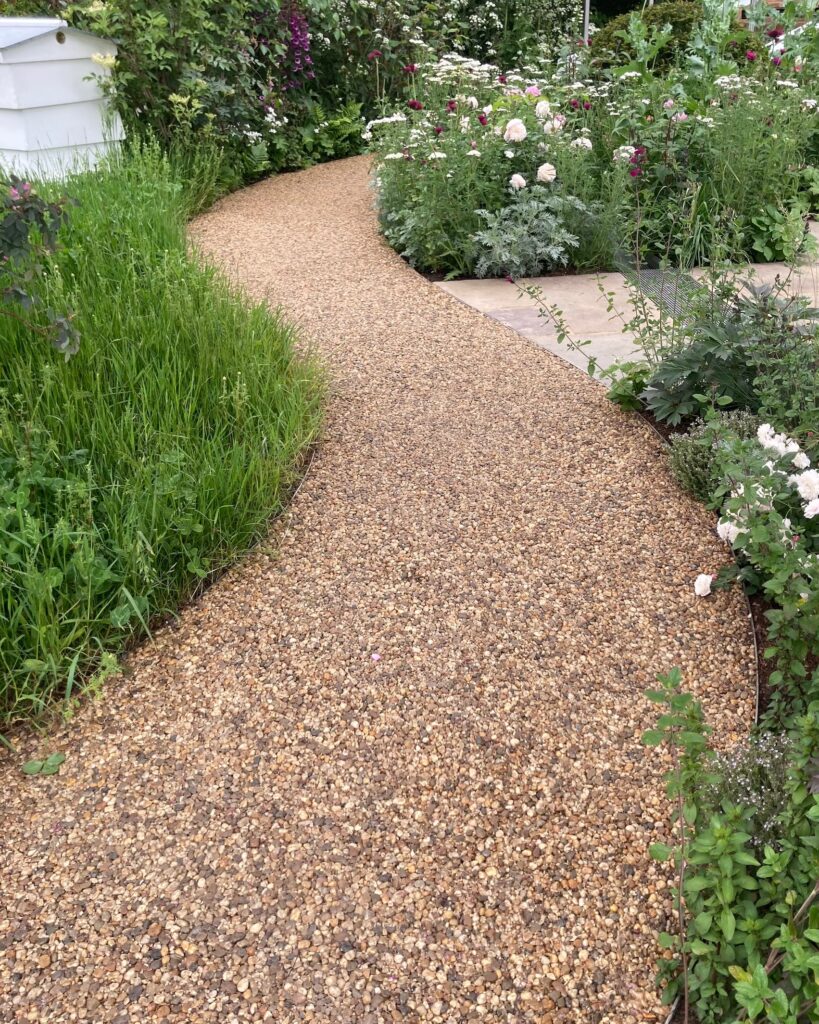
Yard drainage is a critical but often overlooked component of home maintenance. The approaches available in 2025 range from traditional methods such as French drains and regrading to modern green solutions like rain gardens. By accurately diagnosing the problem, selecting the right installation method, and avoiding common mistakes, homeowners can protect their foundation, prevent flooding, and reclaim their outdoor space.
Investing in proper water management is not just about avoiding inconvenience – it is about safeguarding your property for the long term.
For more information on stormwater management and sustainable landscaping practices, visit Canada.ca.