

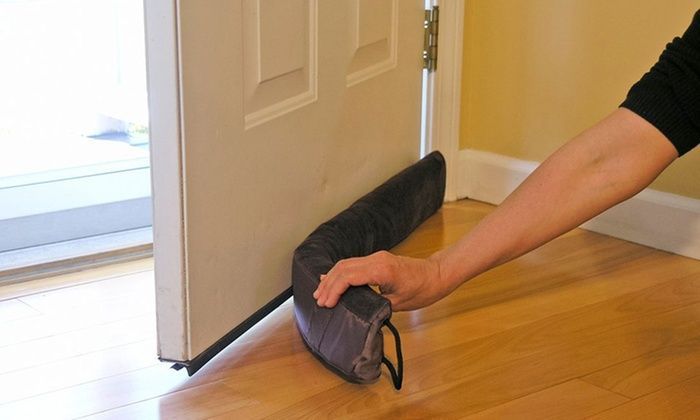
Keeping Canadian homes warm in the winter and cool in the summer is a constant challenge. While many homeowners focus on insulation, windows, or HVAC upgrades, the humble door often gets overlooked. Gaps around exterior doors can be a major source of energy loss, leading to drafts, higher utility bills, and less comfortable living spaces. Installing a weather-resistant energy-saving door seal – commonly called weatherstripping – is one of the simplest and most cost-effective ways to improve comfort and efficiency. Like any home upgrade, however, it comes with both benefits and limitations.
Understanding Weather-Resistant Door Seals
A weather-resistant energy-saving door seal is a strip of material designed to close the small gaps between a door and its frame. By creating a continuous barrier, the seal prevents outside air, moisture, and dust from entering while keeping conditioned air inside.
Door seals are available in several forms:
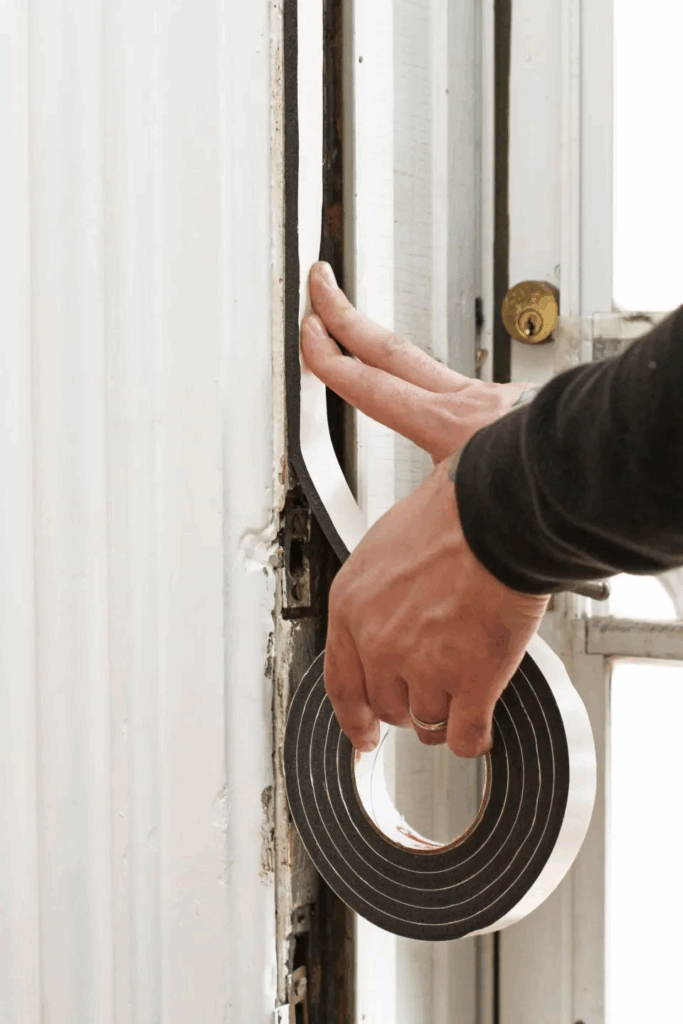
- Foam tape: Adhesive-backed strips that compress to fill narrow gaps.
- V-strips (tension seals): Flexible plastic or metal strips that spring open to bridge spaces around door frames.
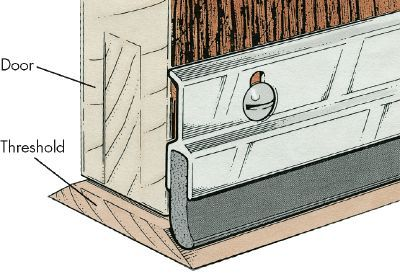
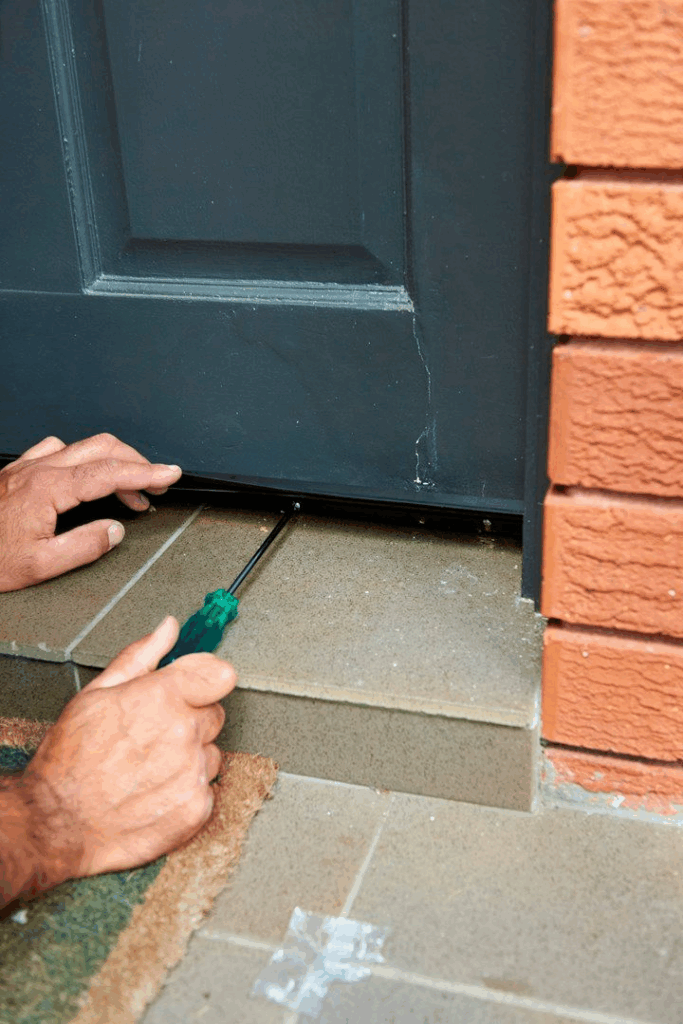
- Door sweeps: Long strips of plastic, rubber, or nylon bristles attached to the bottom of the door to block drafts at the threshold.
Each type serves a specific purpose and varies in durability, cost, and ease of installation.
Advantages of Installing a Door Seal
The primary advantage of a properly sealed door is the direct impact on your home’s energy consumption and comfort. Gaps around doors and windows can account for a significant portion of a home’s heat loss. According to the U.S. Department of Energy, reducing drafts in a home can lead to energy savings of 5% to 30% per year.
Adding a weather-resistant door seal offers several important benefits:
- Lower energy bills: By reducing drafts, homeowners can save between 5% and 30% on annual heating and cooling costs, according to the U.S. Department of Energy.
- Improved comfort: Eliminating cold spots near entry doors makes indoor spaces more pleasant year-round.
Protection from the elements: A properly installed seal helps block rain, dust, pollen, and insects. - Affordable upgrade: Compared to other efficiency improvements, door seals are inexpensive and often easy to install without professional help.
For households looking for a high return on a modest investment, sealing exterior doors is one of the quickest wins. Weatherstripping around doors is one of the simplest ways to cut energy loss from air leakage.
Disadvantages to Consider
Despite their clear benefits, door seals are not a cure-all. Homeowners should be aware of potential drawbacks:
- Wear and tear: Foam tape and other adhesive seals may only last a few years, especially on frequently used doors.
- Limited effectiveness on damaged doors: A seal cannot correct issues caused by a warped, sagging, or rotted door.
- Maintenance required: Even durable V-strips and sweeps eventually compress or degrade and need replacement.
- Installation challenges: Improper sizing or poor surface preparation can render a seal ineffective.
Door seals should be viewed as part of a regular maintenance routine rather than a permanent solution.
Comparing Common Types of Door Seals
Not all products perform the same. The table below outlines how popular options differ:
| Parameter | Adhesive Foam Tape | V-Strips (Tension Seal) | Door Sweep |
| Typical Cost | Low | Low | Low-Moderate |
| Durability | 1-3 years | 5+ years | 3-5 years |
| Ease of Installation | Very Easy | Moderate | Easy |
| Best Location | Door frame sides & top | Door frame sides & top | Bottom of the door |
This comparison highlights why many homeowners use a combination of products – foam tape or V-strips for the sides and top, paired with a sweep at the bottom.
Choosing the Right Door Seal
To maximize effectiveness, select a product that matches your needs:
- Assess the gap: Large, uneven gaps at the bottom are best addressed with a door sweep. For narrow, consistent spaces along the frame, V-strips provide a durable seal.
- Match to the door type: Exterior doors exposed to harsh weather require robust, weather-resistant materials like silicone or EPDM rubber. Interior doors may only need basic foam tape.
Evaluate installation skills: Foam tape is beginner-friendly, while V-strips and screw-on sweeps require more precise measurement and cutting.
Careful selection ensures the seal performs well and lasts as long as possible.
Mistakes to Avoid
A well-installed seal can provide years of comfort, but common errors can undermine results. Homeowners should avoid:
- Skipping surface preparation: Adhesive products won’t bond to dusty or greasy surfaces. Always clean with rubbing alcohol before application.
- Choosing the wrong thickness: A seal that is too thick can prevent the door from closing properly, while one that is too thin won’t stop drafts.
- Overlooking the threshold: Door sweeps must lightly contact the threshold. Too high or too low, and they won’t work as intended.
- Using interior-grade materials outside: Foam tape designed for indoor use will degrade quickly if exposed to rain, snow, or sunlight.
For broader insights on routine upkeep, see our article on the benefits of regular home maintenance inspections
Balancing Short-Term Fixes and Long-Term Needs
Weather-resistant seals offer excellent value, but they are best seen as part of an ongoing maintenance plan. EPA ENERGY STAR research shows that proper air sealing, including weatherstripping, can save 15% on heating and cooling costs. In cases where a door is warped, misaligned, or suffering from structural issues, even the best seal will not resolve the problem. In those situations, homeowners may need to repair or replace the door to achieve lasting results.
Still, for most households, the advantages outweigh the disadvantages. Door seals remain one of the simplest and most cost-effective ways to improve efficiency and comfort.
Frequently Asked Questions (FAQ)
1. What should I consider before installing a weather-resistant energy-saving door seal?
First, identify the location and size of the air leaks around your door. Clean the surfaces thoroughly and choose a durable material appropriate for the location (exterior vs. interior) and the gap size. Avoid the mistake of installing a seal so thick that it prevents the door from closing and latching securely.
2. How do I choose the best type of door seal?
For the bottom of your door, a door sweep is the best option. For the sides and top, V-strips offer the best durability for the cost. Adhesive foam tape is a good temporary or low-cost solution but is less durable.
3. What are the main advantages and disadvantages of door seals?
The main advantages are significant cost savings on energy bills, improved home comfort by eliminating drafts, and added protection from moisture and pests. The disadvantages are that they require proper installation to be effective, they wear out over time and need replacement, and they cannot fix problems related to a badly damaged or warped door.
Conclusion
Weather-resistant energy-saving door seals provide an immediate boost to comfort and efficiency at a low cost. They reduce drafts, lower energy bills, and protect against moisture and pests. However, they do require proper installation and eventual replacement, and they cannot compensate for doors that are already failing.
Viewed realistically – as a practical maintenance measure rather than a permanent fix – door seals are a smart investment for Canadian homeowners preparing for seasonal changes.
For more information on reducing drafts and improving efficiency, visit Canada.ca.