

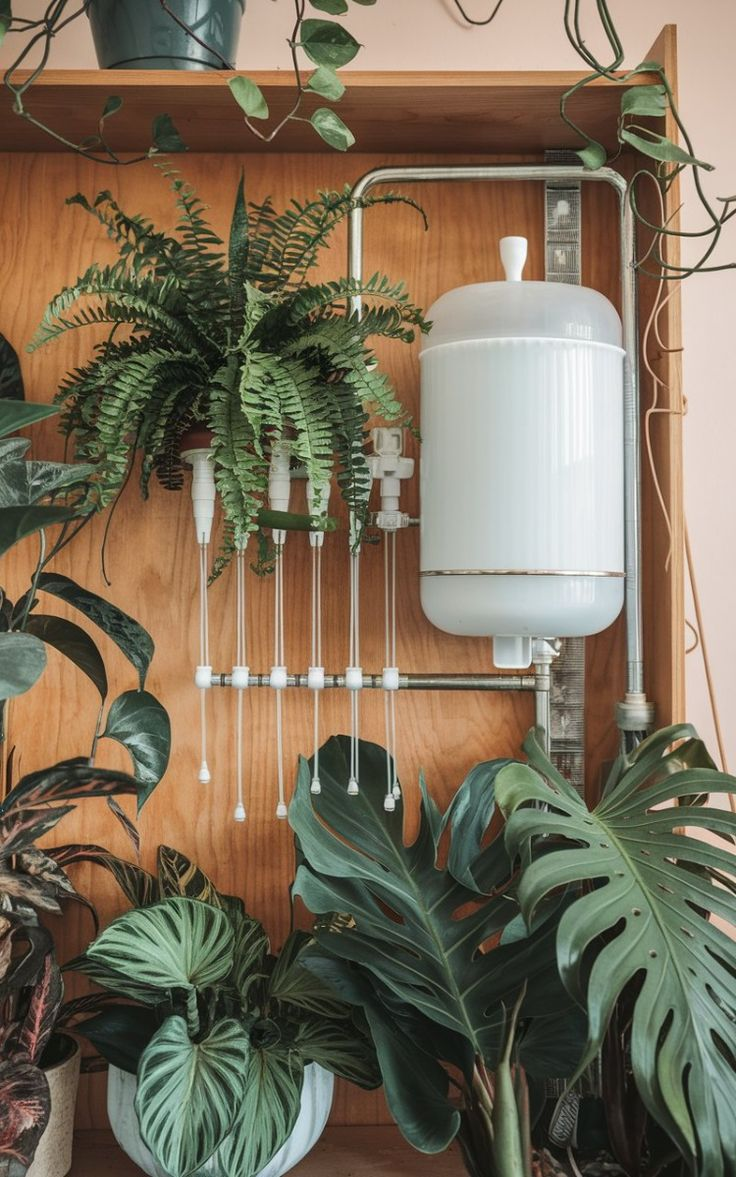
Indoor plants bring life, colour, and even improved air quality to our homes. Yet, keeping them healthy can be a challenge, especially for busy homeowners or those who travel frequently. Forgetting to water, overwatering, or leaving plants in the care of an inexperienced neighbour often results in wilted or unhealthy greenery. A smart indoor plant irrigation system offers a modern solution by automating one of the most important aspects of plant care – consistent hydration.
How Smart Irrigation Systems Work
At their core, smart irrigation systems are designed to deliver the right amount of water to plants at the right time. They typically include a reservoir, pump, tubing or wicking mechanism, and a control system that can be programmed manually or through a smartphone app.
Common types include:
- Drip irrigation kits: Use thin tubes to deliver measured amounts of water directly to plant soil from a shared reservoir.
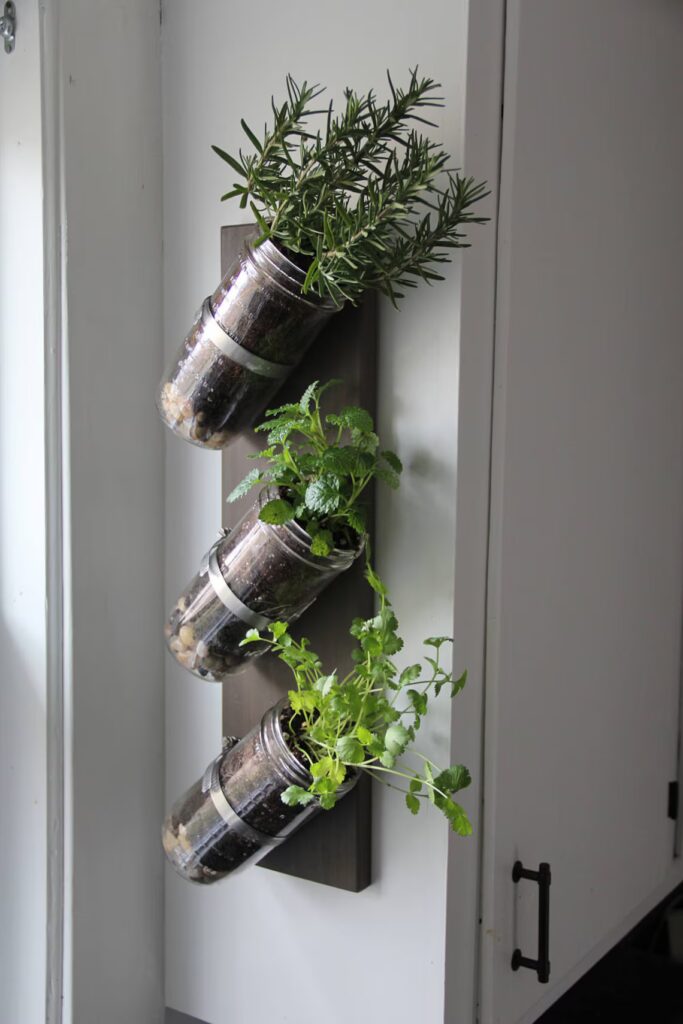
- Self-watering pots: Individual planters with built-in reservoirs and wicks that allow plants to draw moisture as needed.
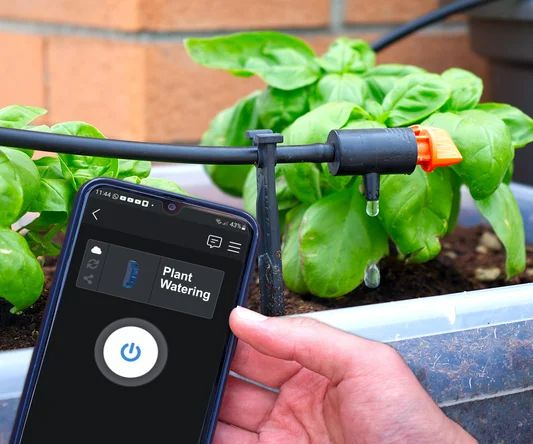
- Wi-Fi connected pumps: Standalone pumps placed in a water source, controlled through an app for scheduling or remote activation.
By reducing guesswork, these systems simplify routine care and reduce the risk of watering mistakes.
Benefits for Homeowners
The appeal of smart irrigation systems lies in their balance of convenience and plant health.
- Improved consistency: Plants receive steady, measured hydration, reducing the risk of root rot from overwatering or wilting from neglect.
- Time savings: Automation eliminates the daily or weekly task of manual watering, particularly useful for homeowners with large plant collections.
Peace of mind: For those who travel, these systems remove the need to rely on others to keep plants alive. - Healthier plants overall: By maintaining stable soil moisture, plants grow stronger and are more resilient to pests and disease.
According to horticulture experts at the University of New Hampshire Extension, irregular watering remains one of the leading causes of houseplant failure. Automation directly addresses this challenge.
Comparing System Types
Not all smart systems are the same. Choosing the right one depends on the size of your plant collection, layout, and lifestyle.
| Parameter | Drip Irrigation Kit | Wi-Fi Pump System | Smart Self-Watering Pot |
| Number of Plants | Multiple (4-15+) | Multiple (1-10+) | Single |
| Flexibility | High (customizable layout) | High (works with existing pots) | Low (one plant per system) |
| Control Features | Timers, app scheduling | App control, notifications | Water level indicators |
| Typical Cost | Moderate | Moderate | Low-Moderate (per pot) |
Homeowners with many plants spread across a room often benefit most from drip kits or Wi-Fi pumps. Those with just a few cherished plants may find self-watering pots a simpler solution.
Choosing the Right System
Before investing in a smart irrigation setup, consider these factors:
- Your plant collection: A diverse mix of succulents, ferns, and flowering plants may need customizable water delivery. Grouping plants with similar needs on the same system prevents over- or underwatering.
- Home layout: Check whether you have a suitable space for a reservoir and whether the system requires a nearby power outlet or batteries.
- Control preferences: Do you prefer a basic timer or a system that integrates with your phone and sends notifications?
Budget: While most systems are affordable, costs add up quickly for larger collections, especially if each pot requires its own device.
Mistakes to Avoid
Even with automation, results depend on proper setup and monitoring. Common mistakes include:
- Using one schedule for all plants: Different species require different watering levels. Systems that treat every plant the same can cause harm.
- Neglecting the reservoir: Without enough water, the system cannot function. Choose a reservoir size that matches your needs and check it regularly.
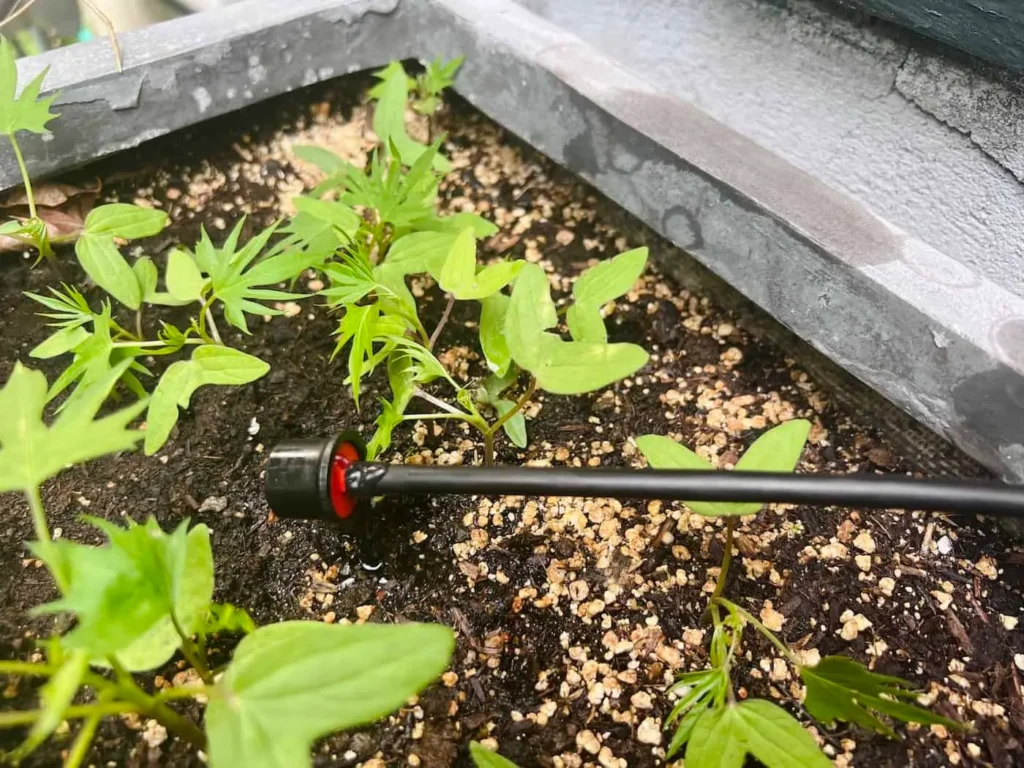
- Improper installation: Kinked tubes, loose fittings, or clogged drippers can lead to dry plants or leaks. Testing the setup thoroughly is essential.
- Forgetting human observation: Technology helps, but it does not replace visual checks for pests, disease, or soil condition.
For more insight on how smart technologies are shaping the inspection and maintenance landscape, see our article on rising trends in smart home technology
The Human Touch vs. Technology
Some gardeners argue that manual watering is part of the enjoyment of plant care. It allows for closer observation and creates a stronger connection with the greenery. There is truth to this perspective – technology should not replace observation altogether. Instead, smart irrigation works best as a support tool, handling routine hydration while freeing up time to prune, fertilize, or simply enjoy your plants.
Frequently Asked Questions (FAQ)
1. How do I know if a smart irrigation system is worth it for my plants?
If you’ve ever come home from a trip to find wilted leaves – or lost a plant to root rot from overwatering – a smart irrigation system can make a real difference. These tools provide consistent hydration and remove the guesswork, which is especially valuable if you own multiple plants with different watering needs or struggle to maintain a regular schedule.
2. Which type of smart irrigation system works best for different plant setups?
It depends on how you grow your plants. For a large collection scattered around a room, drip kits or Wi-Fi pumps give you flexibility and control. If you only have a few favourites, like a peace lily or a fiddle-leaf fig, self-watering pots offer a simple, low-maintenance solution. Matching the system to your space and plant variety ensures healthier results.
3. Do smart irrigation systems completely replace the need for hands-on care?
No – think of them as an assistant, not a replacement. While these systems automate routine watering, plants still need human attention for pruning, fertilizing, pest checks, and general observation. A balanced approach – automation for hydration, hands-on care for growth – delivers the best outcomes.
Conclusion
Smart indoor plant irrigation systems bring convenience and reliability to plant care, making them a valuable addition to modern homes. By automating watering schedules, they help prevent common mistakes, reduce stress for homeowners, and encourage healthier, longer-living plants.
For households balancing busy lifestyles with a love of greenery, these systems represent a practical way to merge technology with nature.
For more information on indoor plant care and energy-efficient home upgrades, visit Canada.ca.