

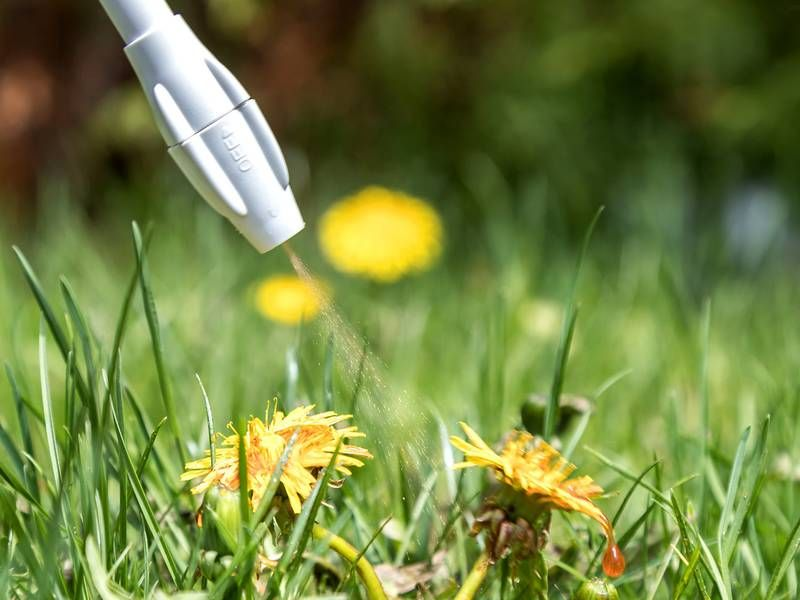
For many Canadian homeowners, a tidy lawn and healthy garden are points of pride. But when weeds begin to take over, the solution is not always straightforward – especially in households with pets. Traditional herbicides may be effective, but many contain chemicals that can harm cats and dogs if ingested or absorbed through their paws. This growing concern has led to a surge in demand for natural weed control methods that are safe for pets, people, and the environment.
Why Choosing Pet-Safe Options Matters
Pets spend more time close to the ground than we do, making them particularly vulnerable to lawn and garden chemicals. Conventional weed killers often contain glyphosate and other synthetic compounds linked to health issues in animals. Exposure can occur when pets lick their paws, chew on grass, or roll on treated surfaces (NPIC).

By turning to natural weed killers, homeowners can:
- Protect animal health: Safe ingredients reduce the risk of illness caused by accidental ingestion.
- Create peace of mind: Families can let pets enjoy the yard immediately after application without fear of chemical residue.
- Support the environment: Natural alternatives break down more quickly and reduce the potential for chemical runoff into waterways.
- Build a healthier home: Choosing eco-friendly lawn care helps reduce overall chemical exposure for both humans and pets.
Common Natural Weed Control Methods
Pet-safe weed control is not about eliminating every unwanted plant instantly but managing growth in a safer, more sustainable way. Some of the most popular methods include:
- Horticultural vinegar (10-20% acetic acid): Acts as a contact herbicide, drying out weeds by damaging their leaf tissue. Stronger than household vinegar and effective on young, shallow-rooted weeds.
- Boiling water: A simple, low-cost option that scalds weeds and roots on contact. Best for small infestations in cracks or pathways.
- Corn gluten meal: Works as a pre-emergent by preventing seeds from germinating. Commonly applied in early spring to stop crabgrass and other lawn weeds.
- Salt-based solutions: Mixtures of salt, water, and soap can kill weeds, though they should be applied carefully to avoid harming soil quality and nearby plants.
- Manual removal: Still one of the most effective methods for garden beds, especially when dealing with perennial weeds.
Comparing Natural Weed Killers
Each method has advantages and limitations. Corn gluten meal is celebrated for its pre-emergent weed suppression, but research is mixed, and effectiveness depends heavily on timing, application rate, and weed pressure. Understanding the differences helps homeowners choose the right tool for the job.
| Parameter | Horticultural Vinegar | Boiling Water | Corn Gluten Meal |
| Type | Post-emergent (kills leaves) | Post-emergent (kills entire plant) | Pre-emergent (prevents seeds) |
| Best For | Sidewalk cracks, gravel paths | Small, isolated weeds | Preventing weeds in lawns |
| Selectivity | Non-selective (kills grass too) | Non-selective (kills grass too) | Safe for established turf |
| Cost | Low-Moderate | Very Low | Moderate |
Choosing the Right Solution for Your Yard
The best natural option depends on where weeds are growing and what outcome you want:
- Hard surfaces: For driveways, patios, or walkways, boiling water or vinegar-based sprays are effective since they won’t damage desirable plants.
- Lawns: To prevent weeds like crabgrass, apply corn gluten meal in early spring. It won’t harm existing grass and can even add nitrogen to the soil.
- Garden beds: Hand-pulling remains safest around vegetables and flowers. For stubborn weeds away from desired plants, a spot application of boiling water works well.
Mistakes to Avoid
Switching to natural weed killers requires a different mindset than using synthetic herbicides. Common errors include:
- Expecting instant results: Natural methods often need repeat applications, especially for mature or deep-rooted weeds.
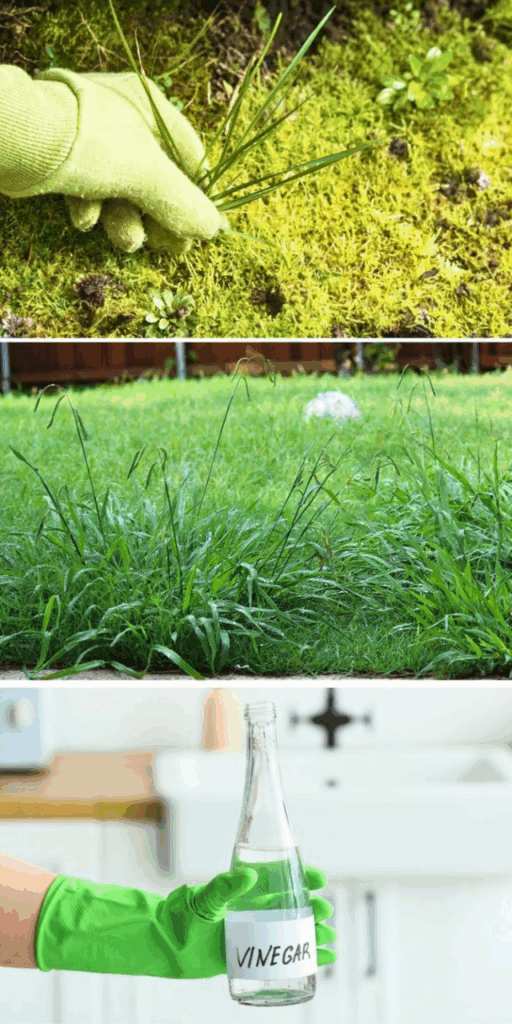
- Using household vinegar: At 5% acetic acid, kitchen vinegar is too weak for most weeds. Horticultural vinegar at 10-20% is more effective.
- Spraying on windy days: Drift from vinegar or salt sprays can damage surrounding grass or flowers. Apply in calm conditions.
- Overusing salt: While effective, too much salt can degrade soil and prevent future growth. Use sparingly and only where permanent control is desired.
- Ignoring selectivity: Non-selective methods will kill grass and ornamentals as easily as weeds. Apply carefully to avoid collateral damage.
For more on general yard maintenance, see our article on routine home inspections and seasonal upkeep
Balancing Effectiveness and Safety
A frequent question is whether natural methods can match the effectiveness of chemical herbicides. While it’s true that synthetic products often act faster and require fewer applications, they come with health and environmental risks. Natural solutions require more patience and consistency, but they offer the benefit of safety for pets and families.
Many homeowners are shifting from the idea of achieving a perfectly weed-free lawn to practicing sustainable weed management – accepting some level of weed presence while prioritizing safety and ecological balance. This approach emphasizes long-term health over short-term perfection.
Frequently Asked Questions (FAQ)
1. How can I safely get rid of weeds without putting my pets at risk?
The safest options are non-toxic methods like horticultural vinegar, boiling water, and corn gluten meal. Each works differently – vinegar and boiling water kill existing weeds on hard surfaces, while corn gluten meal prevents new weeds from sprouting in your lawn. Unlike synthetic herbicides, these natural methods break down quickly, so your pets can enjoy the yard without risk of chemical exposure.
2. Which natural weed control method works best for lawns, gardens, and patios?
It depends on where the weeds are growing. For lawns, corn gluten meal is the best choice because it blocks weed seeds without harming grass. For patios, driveways, or sidewalk cracks, boiling water or vinegar sprays work well. In flower or vegetable beds, hand-pulling combined with spot treatments of boiling water is the safest way to protect desirable plants while managing weeds.
3. Do natural weed killers actually work as well as chemical ones?
Natural methods are effective, but they require patience and consistency. Unlike synthetic herbicides that often show quick results, natural solutions may need repeat applications – especially for mature or deep-rooted weeds. While you may not achieve a perfectly weed-free lawn, you’ll gain peace of mind knowing your pets and family are safe. Many homeowners now see this as a healthier balance between appearance and safety.
Conclusion
Natural weed killers safe for pets provide homeowners with a responsible alternative to conventional herbicides. From vinegar sprays to corn gluten meal, these methods help control unwanted plants without endangering pets, children, or local ecosystems. While they may require more frequent applications and careful use, the trade-off is peace of mind and a healthier outdoor environment.
By choosing pet-safe methods, you can create a yard that is both functional and safe – a place where your lawn, garden, and furry companions can thrive together.
For more information on eco-friendly yard care and pet safety, visit Canada.ca.